
Character development
Being Good at Being Bad
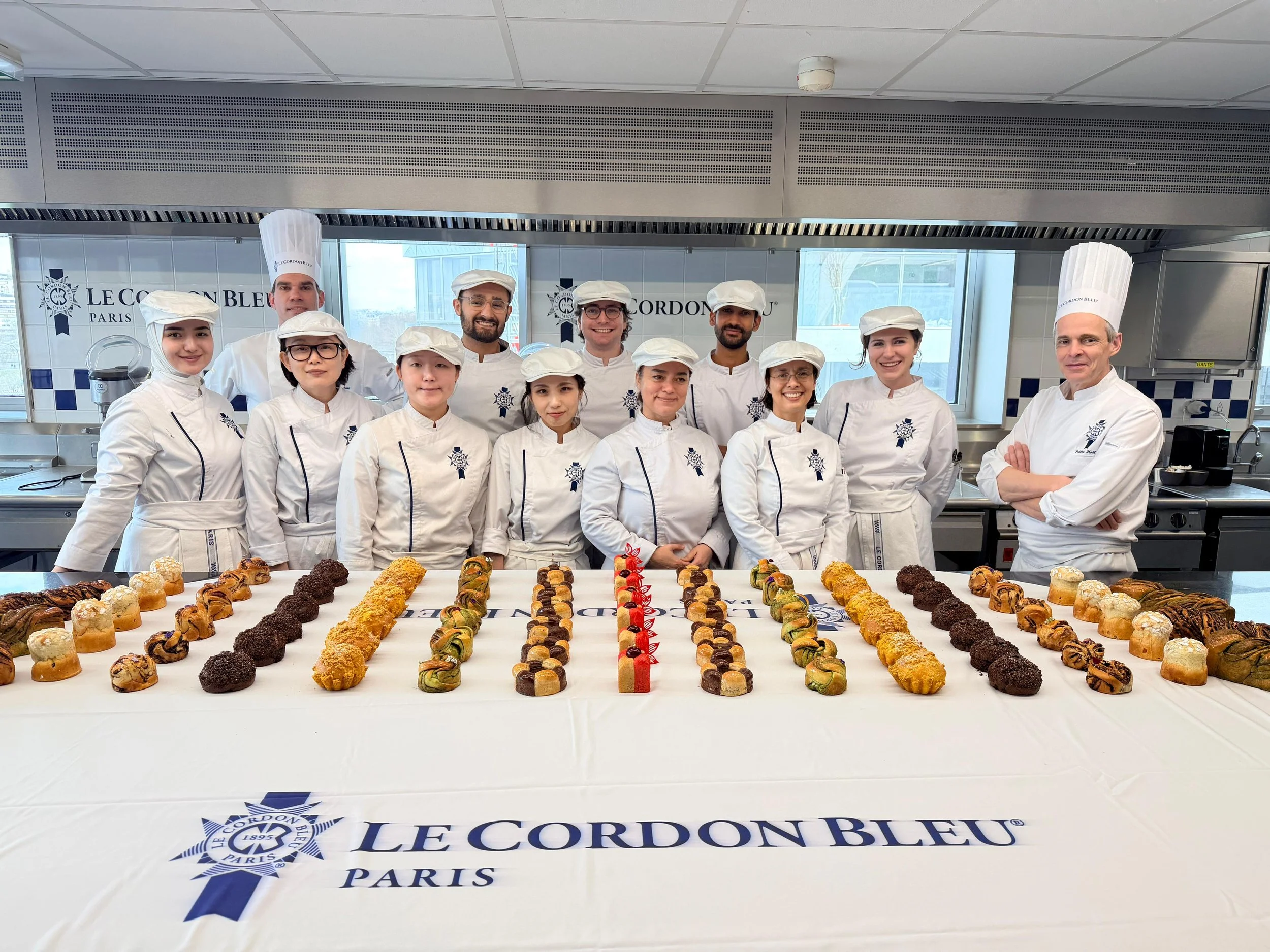
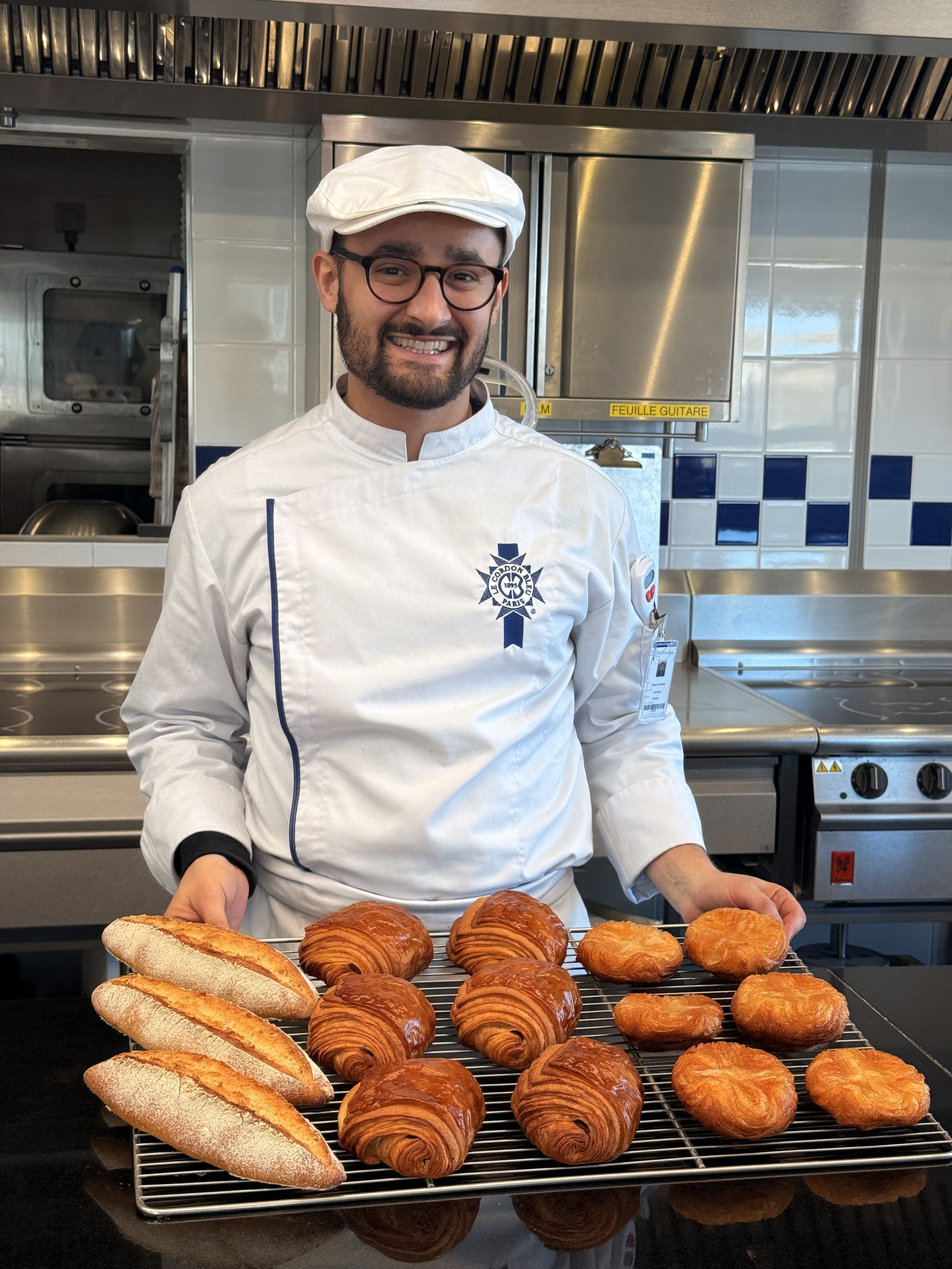
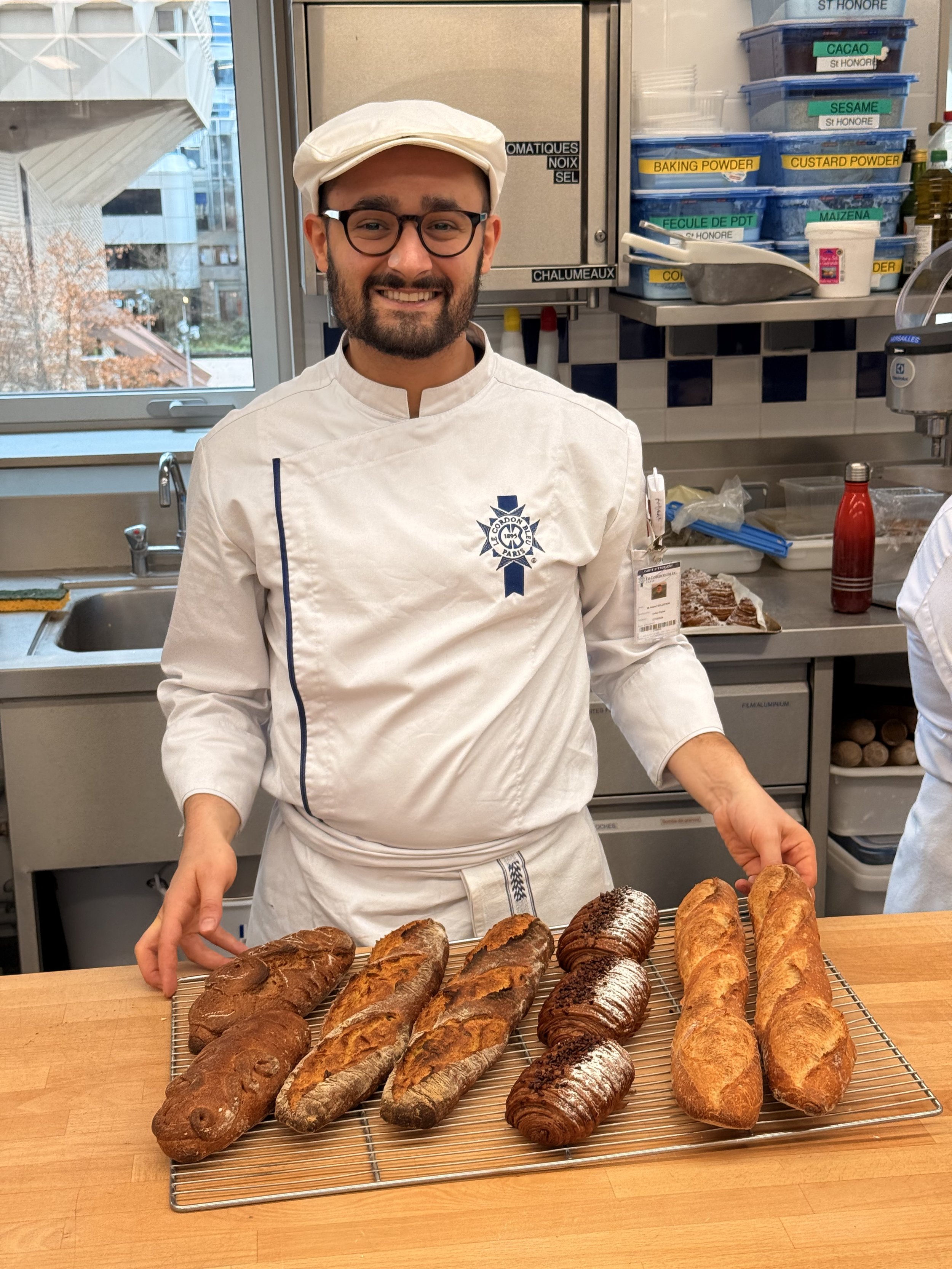
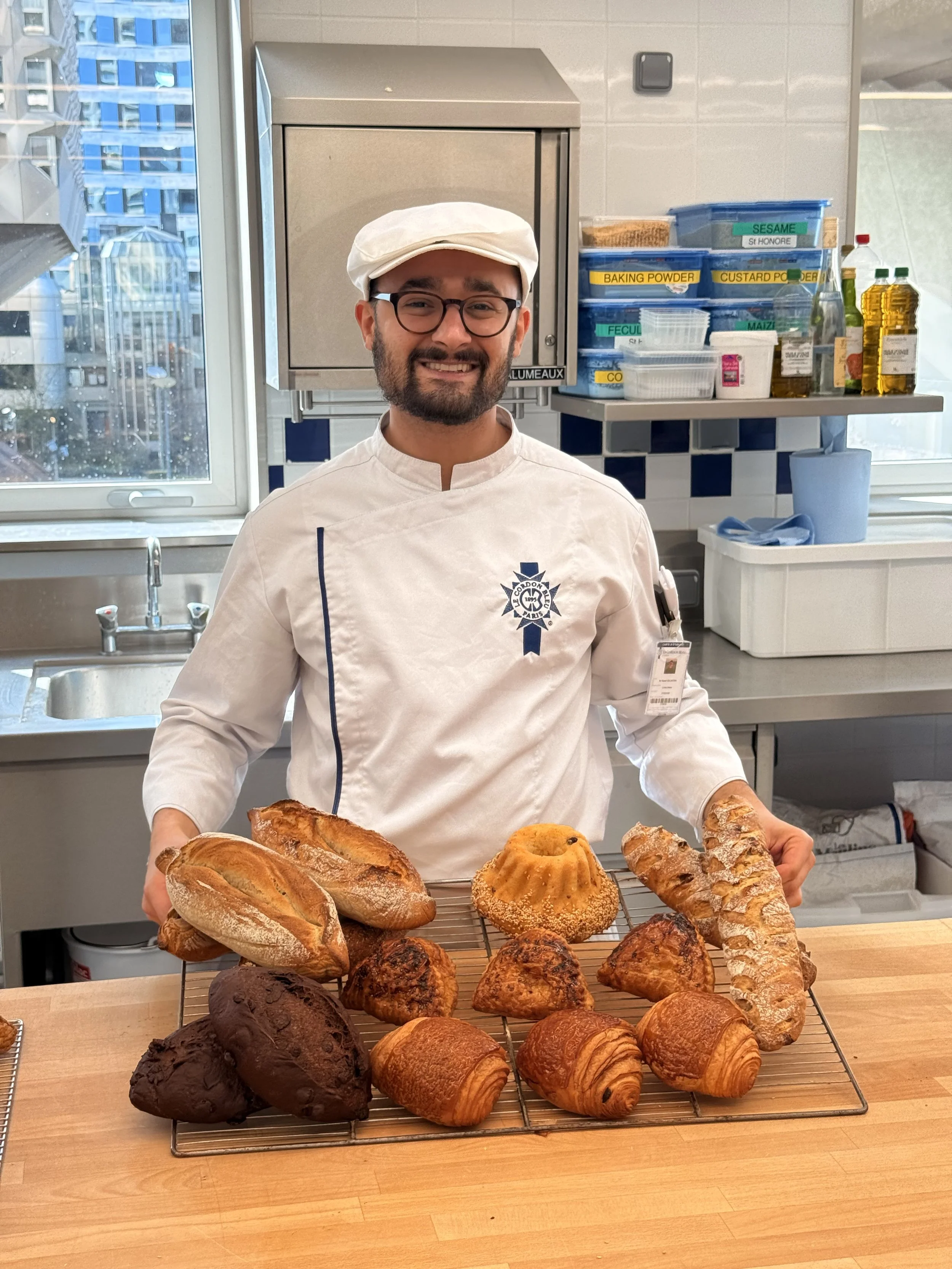
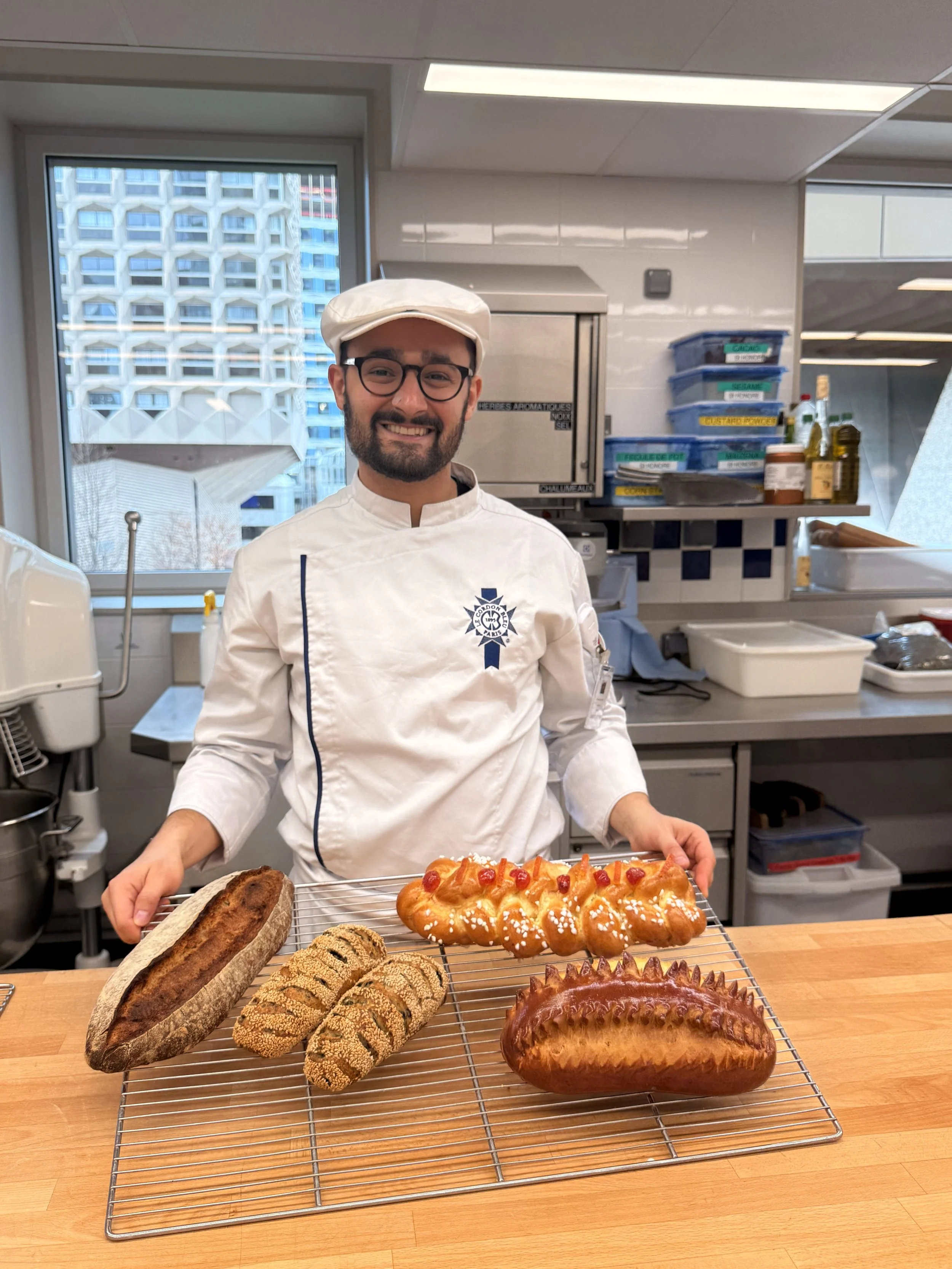
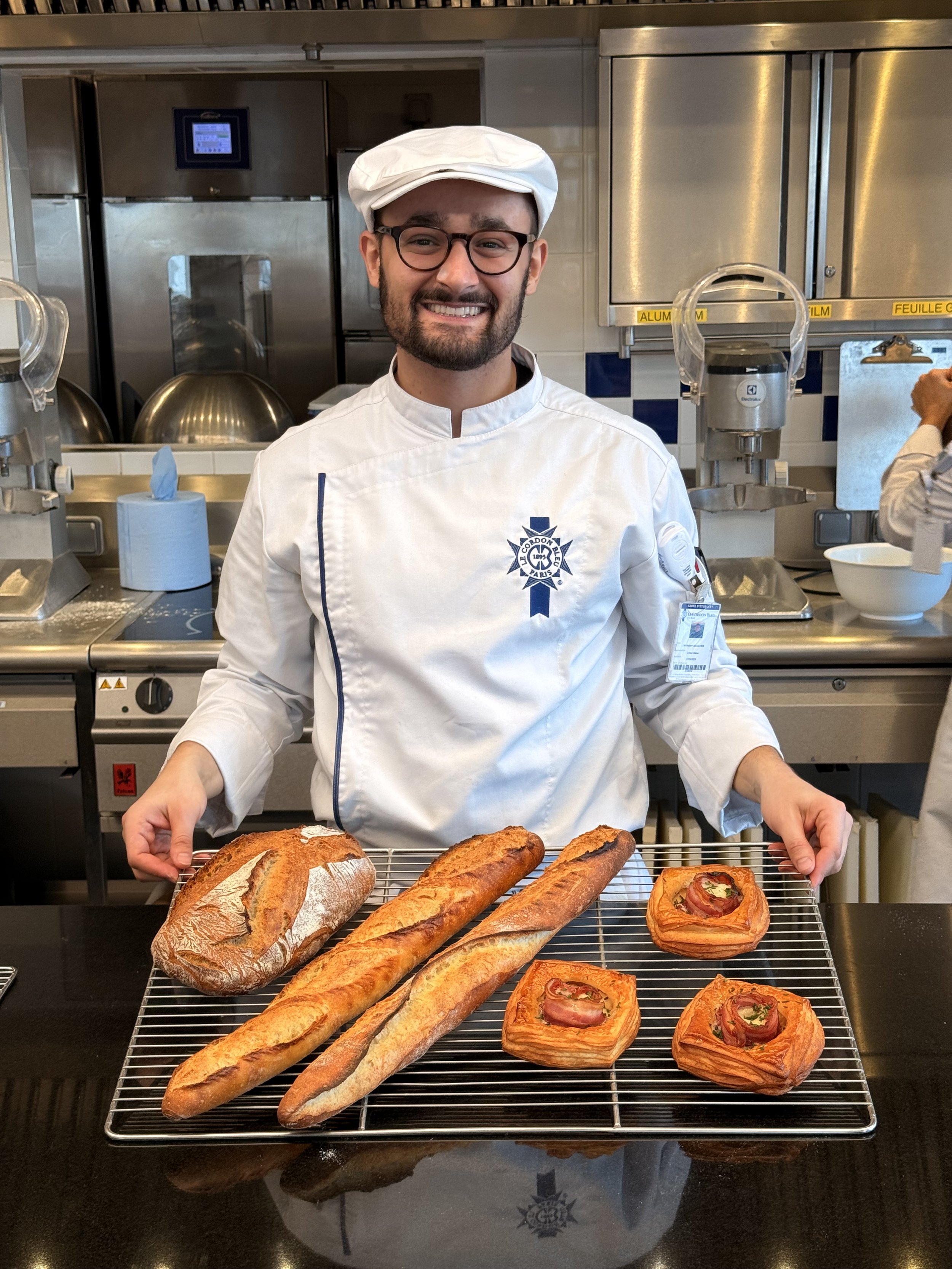
In January I began a three month baking course (in French, “boulangerie et viennoiserie”). I haven’t spent much time baking before, less a few challahs and banana breads. Baking relative to cooking is much more of a science than an art. In class we actually learn math equations to help guide our understanding of temperature, hydration, humidity control, fermentation effectiveness, acid and alcohol development… a scientific process
As for my experience, I’ve always been someone who gives up easily or doesn’t take things seriously when I’m bad at them. When I fail at anything (i.e., a sport, exam, playing an instrument) it makes me stressed and even mad at myself for being bad – and therefore to avoid those feelings, I often opt-out
So, I want to be better at being bad. Taking this baking course is my attempt to opt-in
The course is uncomfortable. The moves require finesse, but it is not a given that you can learn them. The tasks seem so simple, yet the nuance of touch, timing, and temperature are more important than I realized. I’m not happy when I have dough stuck in my hands and on my uniform. I’m six weeks in and my dough kneading still rarely turns out as strong as Chef’s… and my classmates feel the same. Many are struggling to find the finesse. When I look around during the kneading sessions, we are pretty much silent, but I can see people with loud voices in their heads telling them to be better
I’ve been reflecting on how we form the habit of being uncomfortable doing things that we’re bad at. From childhood, we are discouraged from spending time on things we are “bad” at. We are pushed to focus on things we are “good” at, or at least innately better at than the kids next to us
In sports, I was always benched for not being good enough at soccer… so I ran cross-country. In school, my grades in humanities classes were never great… so I took math and science classes. In hobbies, guitar didn’t come easily… so I played videogames. I look back and wish I’d played soccer, learned literature, played guitar, … I missed opportunities to lean in… and maybe I could have even excelled eventually if given more time at those challenges
There is a tension between talent and interest - you either have to be good enough or move on. It is a societal issue but leaves us with lasting personal character flaws into adulthood - and we may be missing out on things in life that we’ll enjoy
So, this baking course is not just learning to mix flour with water, this is character development
Stars
My friend Richard sent me a book that I devoured. Silence by Erling Kagge. One of the author’s points allowed me to see that the baking class is my character development – any experience can give you a world of thought for self-reflection
So, when you’re at Chipotle for dinner on a random Tuesday night…
Are you eating dinner just for sustenance?
Are you tasting your food and noticing the textures and flavors?
Are you aware of how your greeting to the servers affected your day and theirs?
Did you notice the single parent next to you and how their child is behaving and think about the choices of your life and whether you want kids and think how you’ll treat them and develop their relationship with food and the world?
Did you notice the other booth across the room seating a high school couple?
Did you reflect on a night that you went out with your crush to Chipotle?
…
And as such, a starry night can be a blank canvas for connecting the dots of your life – “What you see in them [the stars] depends on who you are” (EK)
Go outside, look up from your phone and see your life, notice, think…
I Am the World
Tonight I stayed home and made myself dinner. I was thinking about how food is the connection between all stories – a web of cause and effect for all that passed and all that will be
My slices of fluffy pesto sourdough bread were made in my class that morning. A representation of my personal contribution to the story
The tin of Portuguese sardines in Spanish olive oil was packed by hand. A feat of humanity that humans preserve food for bleak seasons, a ship at sea catching fish by net, a distant field of olives picked under the hot sun, trade across international borders and languages
On my way back from class I picked up some lychee from the grocery store. There was a sign that they were imported from Madagascar. The lychee tree has its origins in Asia; someone had the idea to plant those seeds on an island off the coast of East Africa. Somehow, they made it from the southern hemisphere to my home
I was still hungry so I had a bowl of cereal. Kellogg’s, founded in Battle Creek, Michigan where I’ve been to before. With milk from French dairy cows in Normandy that is sweeter during the rainy months when grass is abundant
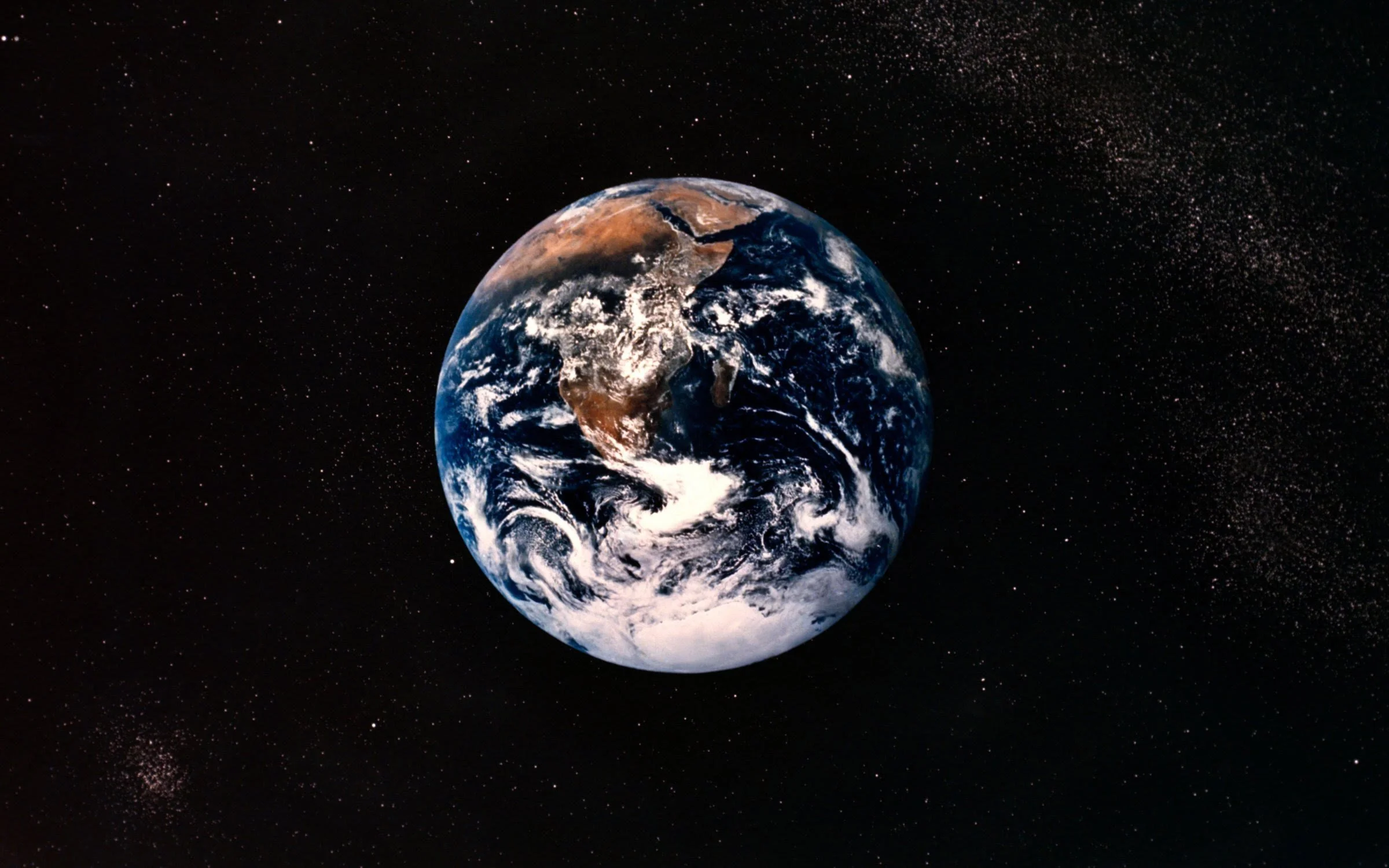
A shift in perspective allowed me to live “outside” my life for the moment, a feeling that I am an echo of all that was. From the Sun to Land and to Sea, to Plants and to Animals, to Hands and to Mouths, sustaining and nurturing us, a web of life
Side note: We should learn to love when restaurants/people serve head-on or bone-in meat/fish. It allows us to remember that a life was given for us to enjoy that meal. To appreciate this gives respect towards the animal
THANK YOU !
Lastly, thank you to everyone who donated to my marathon fundraiser! We hit our fundraising goal for the American Cancer Society and I look forward to running with you all in mind on April 12th! <3 Training has been going well, I feel healthy and fast!
—
peace and love everyone, always,
robert